
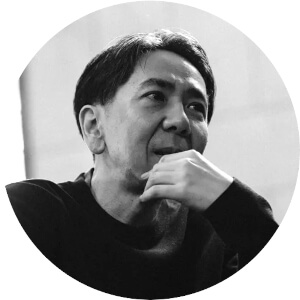
The Zensei Shinsha1shin-sha 新舎 literally means new house Haruchika Noguchi Memorial Music Room: A Commons
(4th episode of the series ‘The Art of Editing2the editing referd to here does not concern books but something else; the meaning will become clearer as you read on (the Japanese term 編集 henshū presents exactly the same difficulty) Spaces’, published on 20 January 2026, available on the blog https://worksight.substack.com/p/180)
Interview with Shin’ya Noguchi3In the Noguchi family, Shinya N. is the eldest son of Hiroyuki N., himself 2d son of Haruchika N. (Note: the first name Hiroyuki 裕之 is a commonly used nickname, the official first name is Hirohisa 裕久 (see note on the composition of the Seifū Gakusha Board). Shinya’s status as the eldest son appears in this X post by Yoshinori Kono.)
Translation by the Itsuo Tsuda School, authorized by S. Noguchi. All footnotes are the translator’s.
Translators’ note: In this interview, Shinya Noguchi uses the Japanese term henshū 編集 – literally “to edit” – but he interprets it in a creative and philosophical sense, referring, for example, to the “editing’ of the body or of places. A metaphor may help: just as an editor, in order to create a book, may begin by collecting and organising texts, they may also re-edit a work by revisiting and modifying its previous structure. Similarly, an individual has the ability to re-edit (re-organise) their neural connections and bodily awareness in order to reconstruct a more balanced body. Editing the body may thus mean re-organising or re-adapting bodily experience, or even – a term used elsewhere by Shinya Noguchi – educating the body (tai-iku 体育). Similarly, editing a place or a relationship may imply transformation, preparation or shaping.
[presentation]
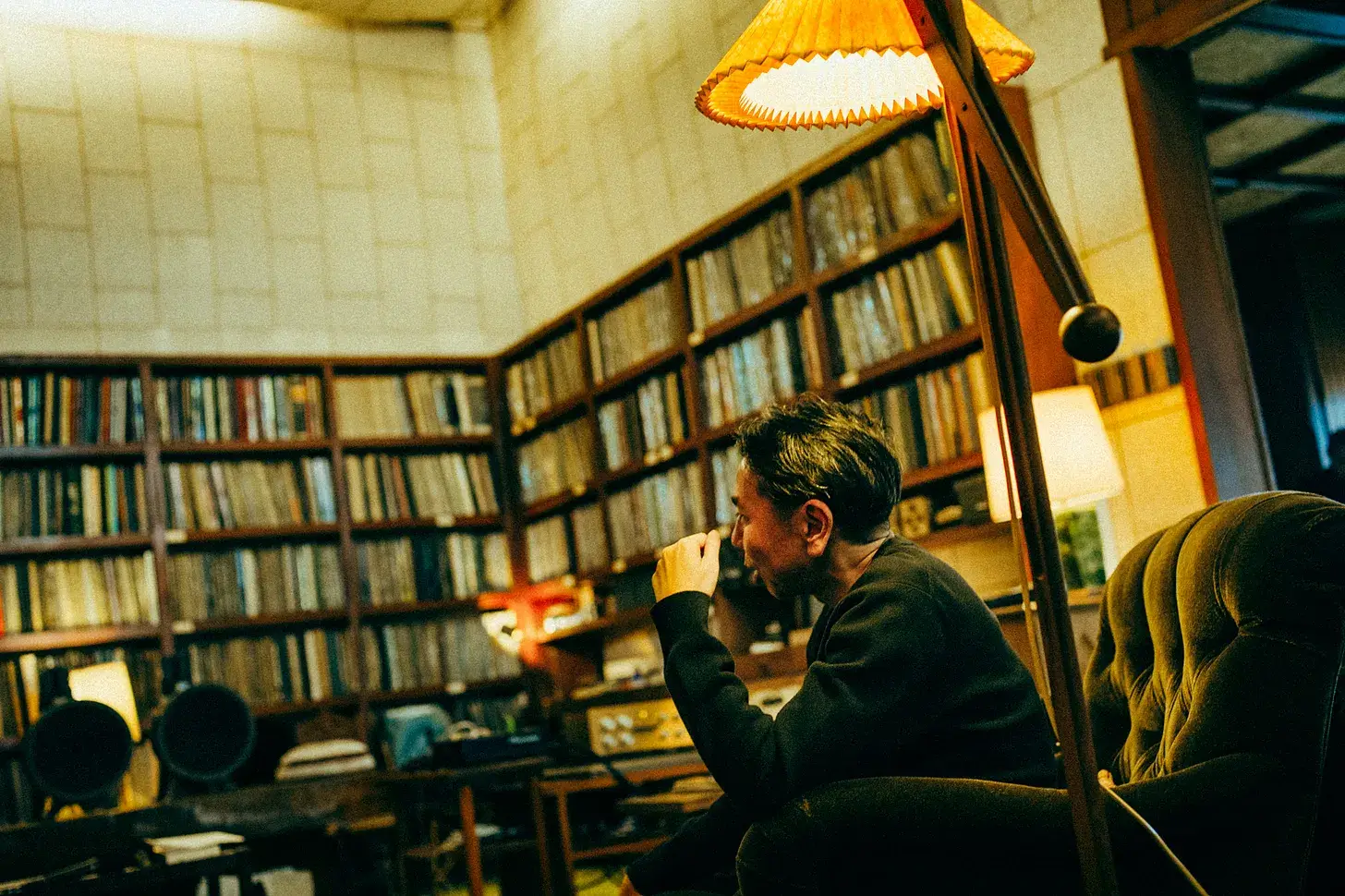
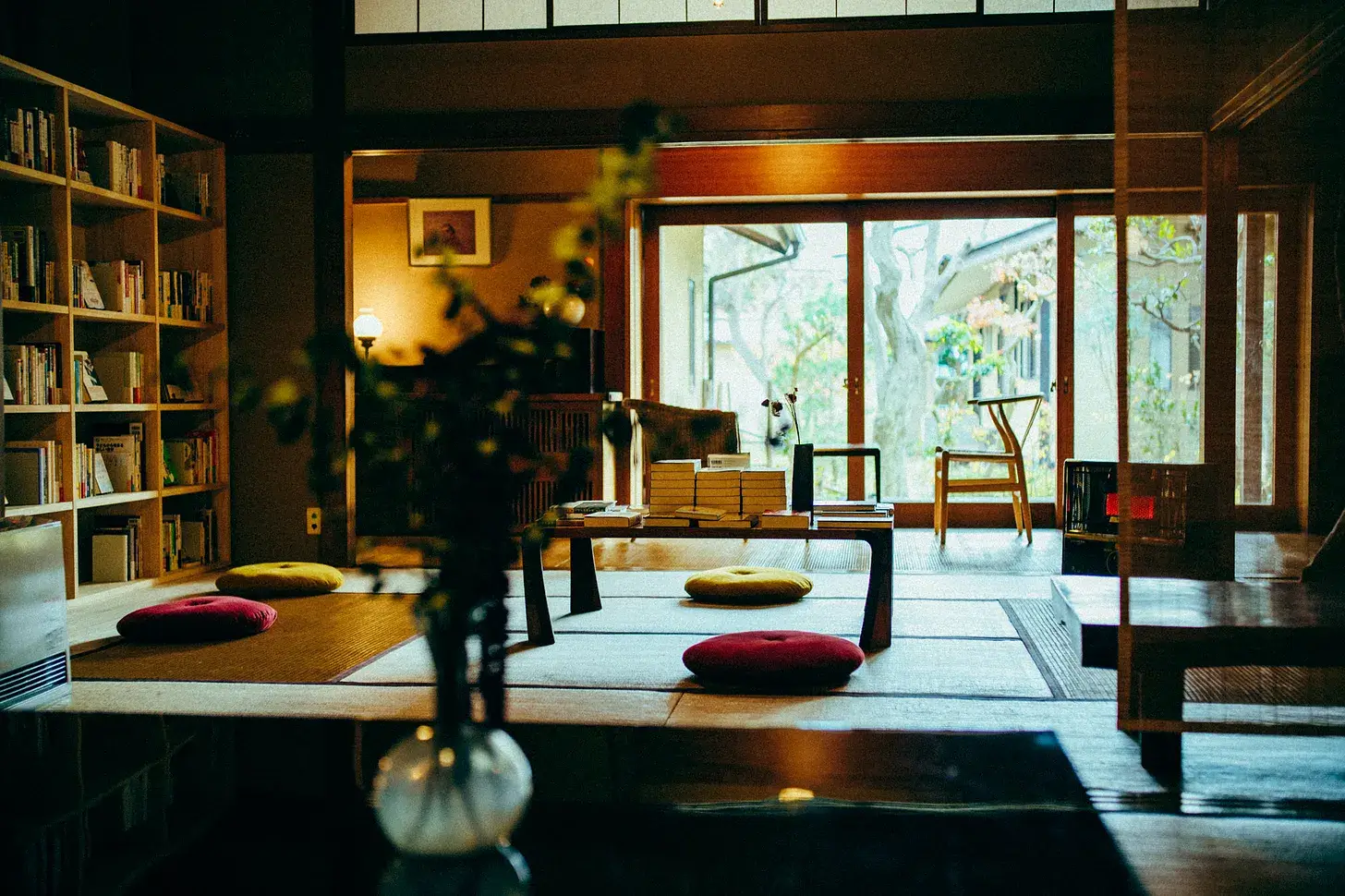
Haruchika Noguchi, a leading figure in the field of Seitai in Japan, had a music room fitted out in his home during his lifetime, with acoustics designed according to his own principles.
That space is now being utilised as a listening room by his grandson, Shinya Noguchi. However, this venue is more than just a space for listening to music. An interdisciplinary and innovative endeavour is underway here, which, through the medium of bodily sensation, seeks to reinterpret the ideas and legacy left by Haruchika Noguchi.
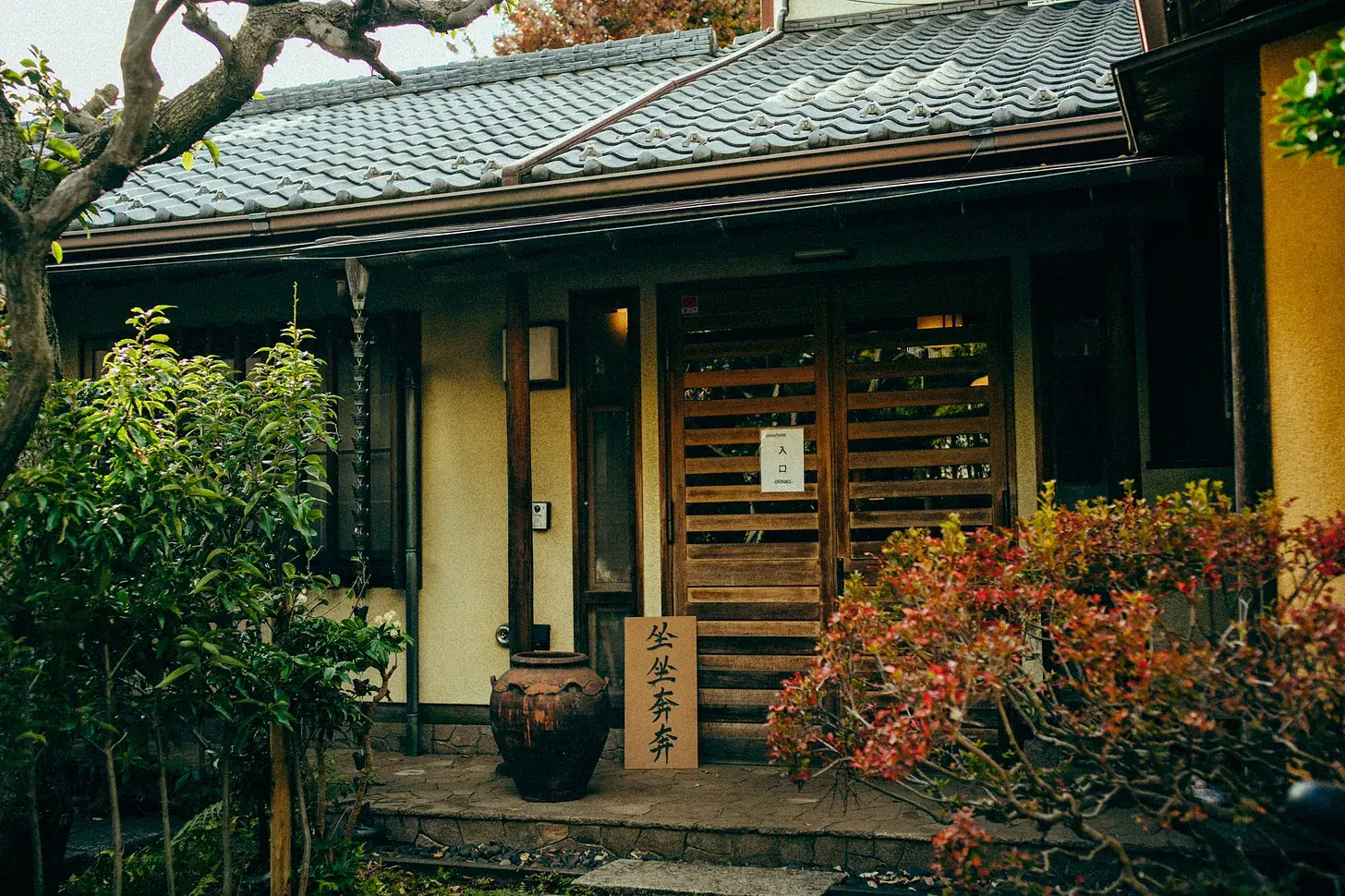
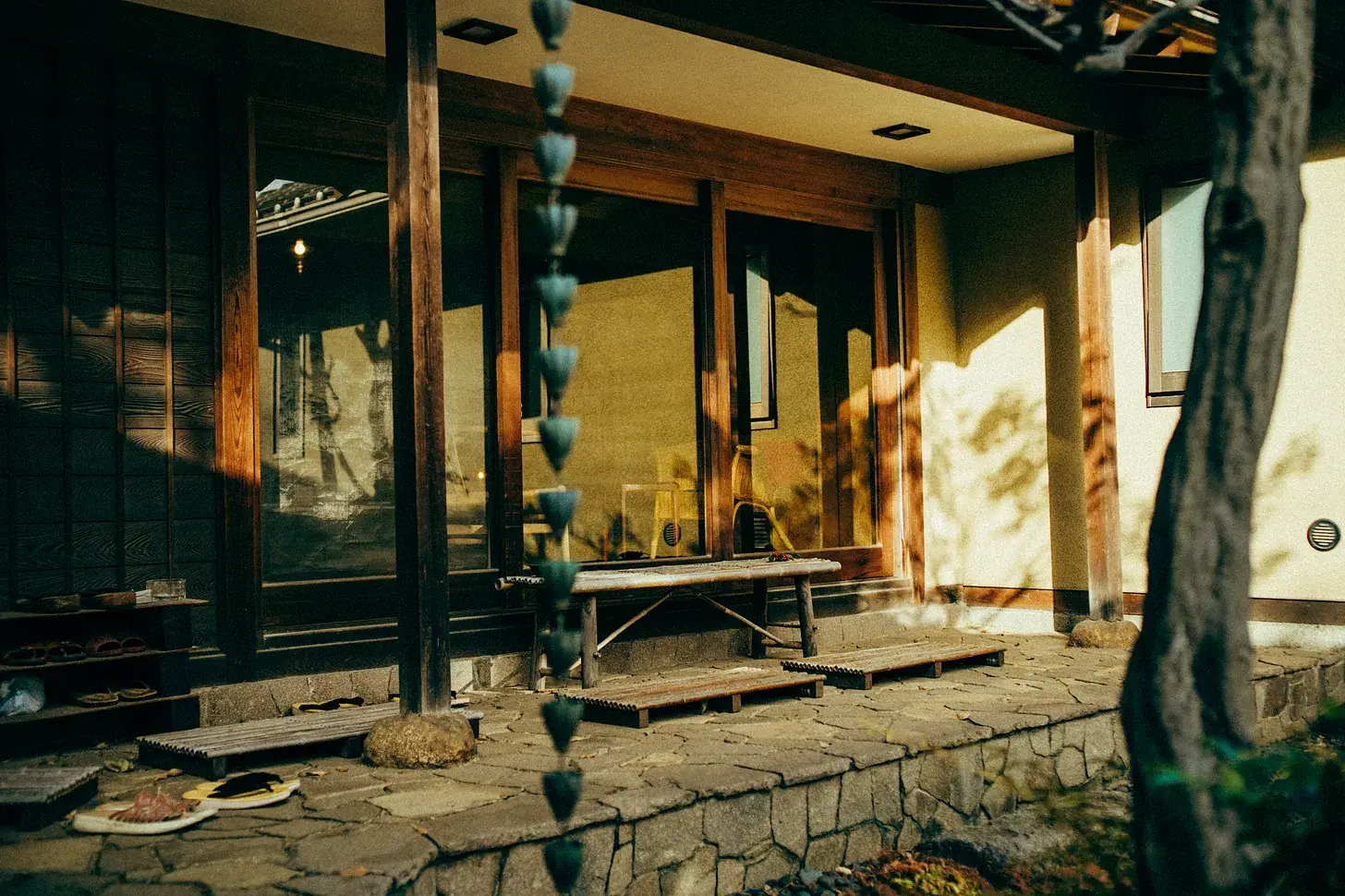
Komae City, Tōkyō. There is no sign on the main street. Nor is there a website. If you follow the address down an alleyway, all you will find is the gate of an old mansion, surrounded by dense trees and retaining the charm of the Shōwa era [1926–1989]. However, in recent years, the Haruchika Noguchi Memorial Music Room, situated within the grounds of the Seifū Gakusha dōjō (practice hall) in Komae, has begun to attract persons with a keen instinct, artists, and people thirsting to reconnect with their own physical sensibilities, as if drawn there by a magnetic force.
This was once the “final home” of Haruchika Noguchi (1911–1976), the founder of Japanese Seitai and a philosopher. The approximately 55-tatami-mat earthen-walled music room he left behind houses legendary pieces of audio equipment from the history of the medium, such as the Erodyn from the German firm Siemens and a massive horn from the American company Western Electric.
However, this is not merely a museum for vintage audio equipment. Nor is it simply a place for teaching Seitai, a specific body technique. Shinya Noguchi, Haruchika Noguchi’s grandson and the director of Zensei Shinsha – the organisation currently responsible for preserving and carrying on this legacy – defines this music room as a dōjō for editing [編集 henshū: re-organisation or re-adjustment of bodily experience, educating the body] and translating. In the modern age, where we are inundated with information and every experience is on the verge of being consumed to the last, how can we design an environment that allows us to reclaim “the sense of life” and “the corporeality’ inherent to human beings? The clue might lie hidden within the peculiar phrase han-biraki, literaly “half-open”, as described by Shinya Noguchi.
[end of presentation]
A Theory of the “Half-Open” Body
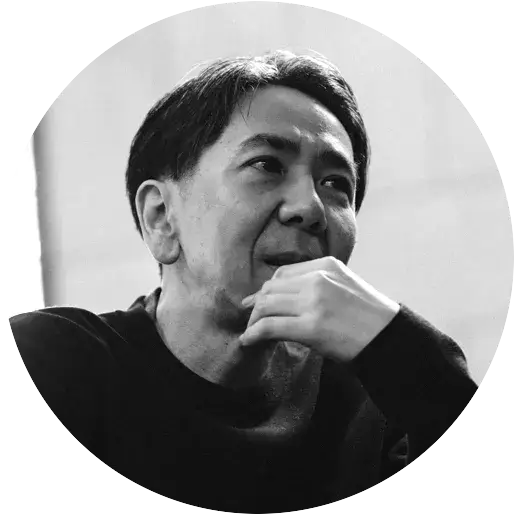
‘I’m often asked what constitutes a good body. I answer without hesitation: “A body in a “half-open” state is the very best.”’ Shinya Noguchi began in this vein right at the start of the interview.
Generally speaking, when people hear the term Seitai, they may conjure up images of physical adjustments or alternative medicine. However, what he spoke of was not a health regimen or a method of self-care, but rather his insights into the conditions for “mobility” in the body. ‘A body that is constantly tense becomes stiff and cannot move. Conversely, a body that is too relaxed and completely limp cannot move either. Most people either become rigid with stress or, in search of healing, let themselves go completely. They are simply oscillating between these two extremes.’
Contemporary discussions on well-being tend to focus almost exclusively on how to relieve tension and promote relaxation. Urban functions have been designed as on/off switches – with offices representing tension and cafés representing tranquillity. However, the concept of half-open proposed by Shinya Noguchi is one that renders that switch ineffective. ‘It is a state in which tension and relaxation coexist, forming a kind of “antagonistic relationship”. This is precisely the most agile state of the body, ready to move on to the next action at any moment. The two forces pull against each other, maintaining a delicate balance. This dynamic instability – this antagonism – is the true nature of life.’
What happens if we apply this concept to a ‘setting’ or an ‘organisation’ for this term? A completely controlled organisation (tension) becomes rigid, whilst a community steeped in a false sense of security (relaxation) decays. The half-open organisation Shinya Noguchi refers to is a state in which security and anxiety, discipline and freedom are constantly in tension with one another. It is by no means merely a comfortable space, but it is precisely because of these subtle vibrations that the space breathes and is able to respond immediately to unforeseen circumstances.
Zensei Shinsha is also a place where this concept of half-open is put into practice. Although it is a private living space – not listed on Google Maps and accessible only by appointment – it welcomes strangers and, through music and dialogue, also functions as a public commons. ‘Organisations, society and even nations are probably best when they are in a half-open state. After all, that’s how the human body works.’ The scope of these words shakes the very foundations of urban planning and design.
To achieve this half-open state, Shinya Noguchi places great emphasis on an approach he calls tai-iku, i. e. “body education”. He explains that the roots of the Seitai founded by his grandfather, Haruchika, lie not in alternative medicine of some therapeutic kind but literally in educating the body. ‘Seitai actually began under the name tai-iku. Rather than “therapy” or “adjustment”, the term editing [編集 henshū: re-organisation or re-adjustment of bodily experience] fits it perfectly. By making small, thoughtful adjustments to the movements we perform in our daily lives, we educate the body itself.’
Take even a seemingly mundane action such as drinking tea, for instance; he suggests that it is possible to practise this in a mindful way. ‘When you take a sip and let it pass through your oesophagus, try to savour the lingering sensation. You will then experience that sensation spreading throughout your body or gradually subsiding. By reframing the activities we carry out in daily life as more creative endeavours and situating them within each individual physical experience, our perception of the body gradually begins to change. It is not the mind, but experience that takes centre stage as “the body” develops.’ Re-editing [再編集 saihenshū: re-educating] the body through everyday experiences. This philosophy transcends the confines of the body and is directly linked to the design of the “space” he manages.
Showing only the knots
‘If you just get to the heart of the matter, people will listen. We tend to believe this to some extent. But that is not the case at all.’ Shinya Noguchi offers a sharp self-critique of the pitfalls to which the world of bodywork – and, by extension, the professional community – to which he belongs is prone. For him, as the heir to the profound body philosophy of Haruchika Noguchi Seitai, conveying its essence should surely be his mission. Yet he takes a paradoxical approach: by not speaking of the essence, he seeks to convey it.
‘The moment you state the essence outright, it is processed as information and filed away into a category. “Ah, a health method,” or “It’s about adjusting the body to boost its natural healing powers, isn’t it?” The moment it is understood, both a person’s mind and body come to a standstill.’ When humans encounter the unknown, they feel anxiety. To alleviate that anxiety, they tend to apply familiar labels, categorise it, and treat it as something they have understood. However, this is nothing more than a collection of dead knowledge; it can never become a living experience. That is precisely why Shinya Noguchi uses the editing approach [編集 henshū: re-organisation or re-adjustment of bodily experience].
‘I believe that producing a large number of these “hooks” that surround the essence is the best way to reach people. That’s why, here, we aim to offer an experience that transforms everyday life into something different by adding just a touch of ingenuity to actions that everyone performs on a daily basis – such as listening, looking or savouring. We run this space in the hope that, through such experiences, visitors might gain even the slightest insight into the essence of what we do.’
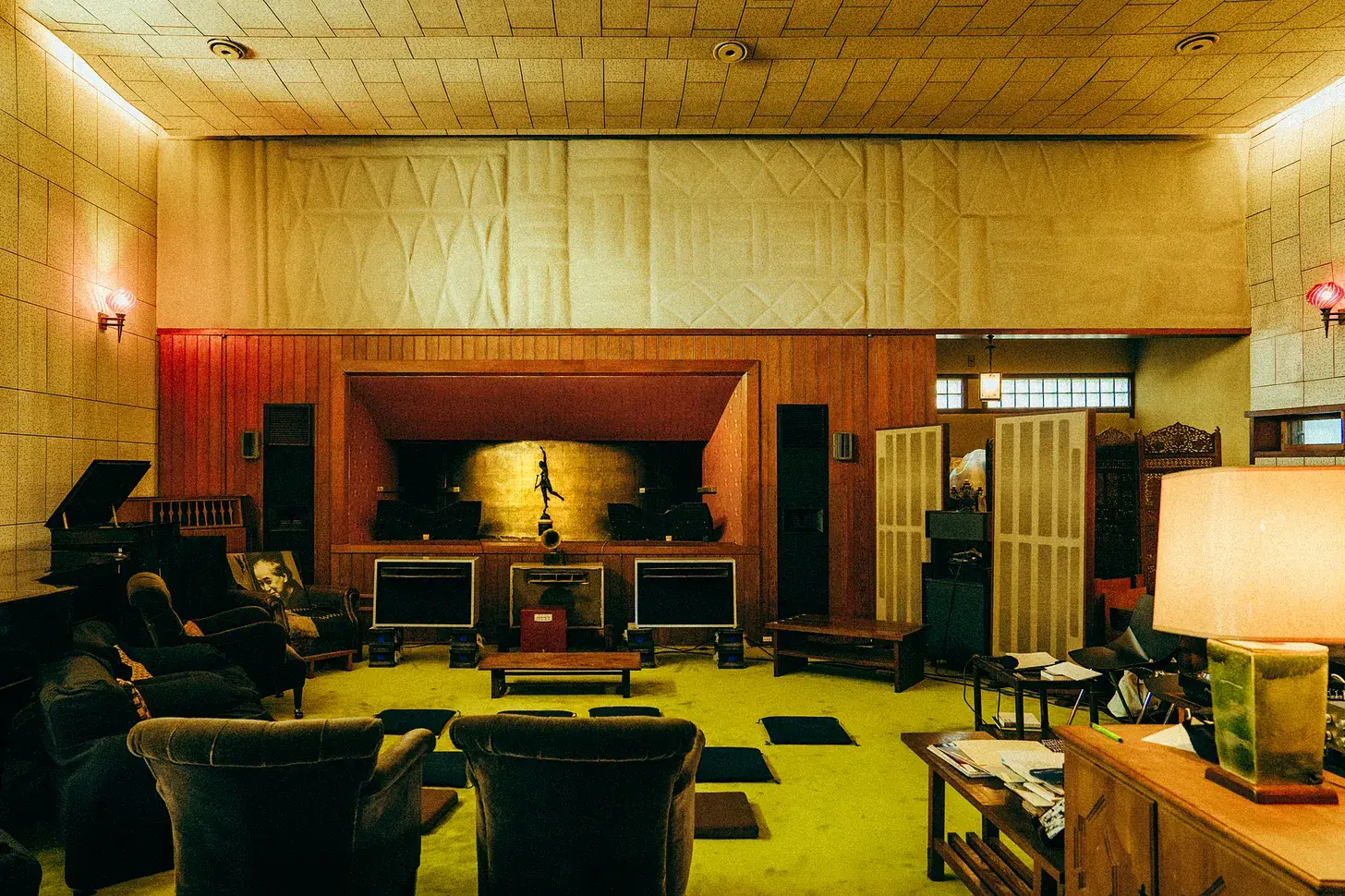
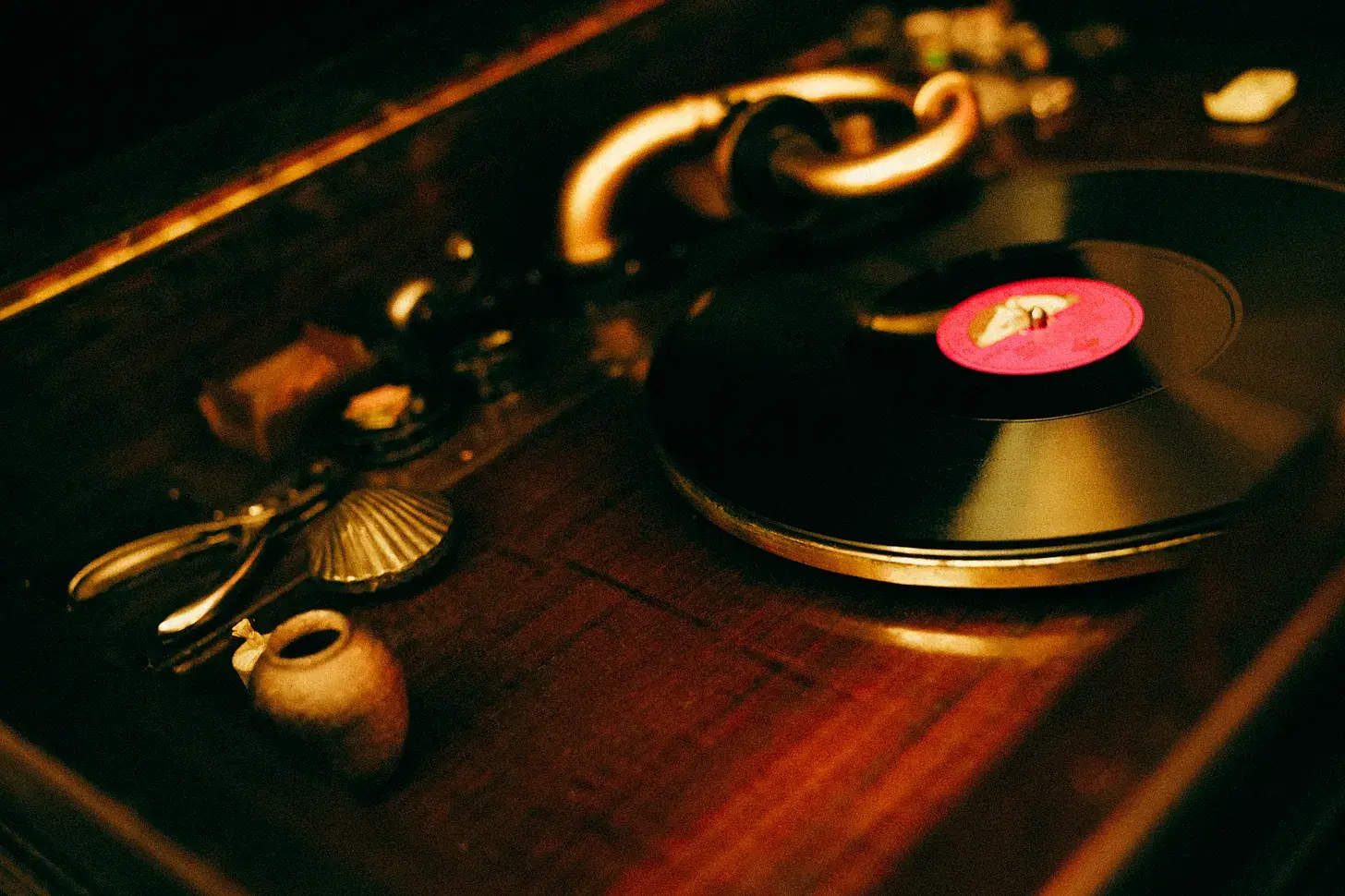
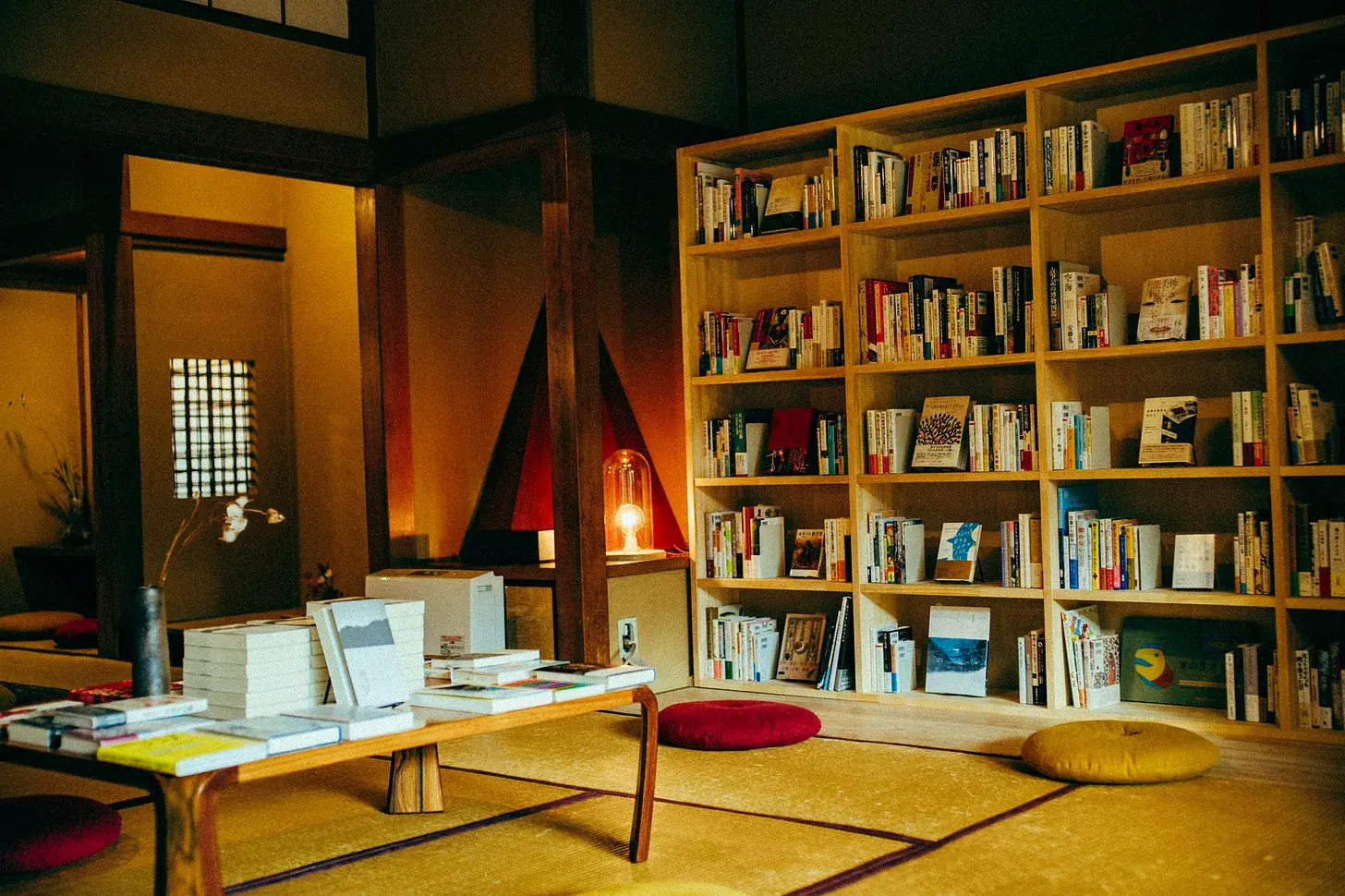
At first glance, the various events held at Zensei Shinsha appear to lack any connection. These range from record listening sessions featuring vintage audio equipment – spanning from classical Japanese music to avant-garde works – to gatherings centred on listening to SP records featuring vocal performances, film screenings, onsen (hot springs), iwana trout (char), and Noguchi Seitai, as well as discussions on the insects inside the belly4According to the beliefs set out in the Hari-kiki gaki (an ancient treatise on acupuncture dating back to 1568), clumps of ki in the stomach take the form of insects (the Hari-kiki gaki lists more than fifty of them!) which are responsible for numerous physical conditions. Thus, in Japan, when one is angry, one says: ‘I’ve got insects in my tummy!’. and the Meiji Restoration5Hiroyuki Noguchi wrote about the “dismantling” role of the Meiji Restoration in The Idea of the Body in Japanese Culture and its Dismantling. Then there is the selection of books at the café-bookshop Zazahonhon, which opened on the same premises in November 2025. All of these are carefully calculated “hooks” scattered around the essence of Noguchi Seitai. Unwittingly, the audience is drawn into the depths of “life” as explored by Haruchika Noguchi. Shinya Noguchi described this as showing the knots [結び目 musubi-me : interconnections, links].
‘For example, if you were to define things by saying, “Your arm extends from here to here” or “This is your head”, the body would break down into separate parts and become immobile. But if you point out that there are “joints” – these “knots” – here, then the various parts of the body – such as the arms, torso and legs – become interconnected and begin to move naturally in unison. That is how the human body is made. The same applies to places.’
Rather than rushing to a conclusion or providing the correct answer, he simply presents “the knots”. This also represents a revival of the attitude of patience that modern education and the media are in the process of losing. Rather than offering solutions that are immediately useful, it involves designing a “margin of space” until the recipient’s body reacts of its own accord and begins to move. That, precisely, is the essence of the “art of editing” [編集術 henshū jutsu: technique, art of editing] as conceived by Shinya Noguchi.
This approach allows visitors to engage in “creative errings”. Some time ago, the writer Kōsuke Gomi6pen name of Yasusuke Gomi (1921–1980), writer, renowed music critic and audio equipement reviewer, upon listening to Haruchika Noguchi’s audio system, discovered and brought to the world’s attention Noguchi’s side as a sound artist, rather than his role as a Seitai practionner. Whilst this may have been a form of erring, it was precisely because of this erring that Haruchika Noguchi’s philosophy transcended the narrow confines of the Seitai field and came to have a wider cultural reach. Zensei Shinsha is now seeking to reclaim that “richness of erring”. It is a place that functions as a medium that does not say the essence. There, each visitor, using the scattered hooks as a guide, begins to craft their own unique narrative.
Read part 2
[end of Part 1]
photographs by Kaori Nishida
Seifu Gakusha de Shinya Noguchi : https://seifugakusha.jp/
https://www.instagram.com/zenseishinsha
L’éditeur : https://www.zensei.co.jp/
Would you like to hear about the next article?
Notes
- 1shin-sha 新舎 literally means new house ↩︎
- 2the editing referd to here does not concern books but something else; the meaning will become clearer as you read on (the Japanese term 編集 henshū presents exactly the same difficulty) ↩︎
- 3In the Noguchi family, Shinya N. is the eldest son of Hiroyuki N., himself 2d son of Haruchika N. (Note: the first name Hiroyuki 裕之 is a commonly used nickname, the official first name is Hirohisa 裕久 (see note on the composition of the Seifū Gakusha Board). Shinya’s status as the eldest son appears in this X post by Yoshinori Kono.) ↩︎
- 4According to the beliefs set out in the Hari-kiki gaki (an ancient treatise on acupuncture dating back to 1568), clumps of ki in the stomach take the form of insects (the Hari-kiki gaki lists more than fifty of them!) which are responsible for numerous physical conditions. Thus, in Japan, when one is angry, one says: ‘I’ve got insects in my tummy!’. ↩︎
- 5Hiroyuki Noguchi wrote about the “dismantling” role of the Meiji Restoration in The Idea of the Body in Japanese Culture and its Dismantling ↩︎
- 6pen name of Yasusuke Gomi (1921–1980), writer, renowed music critic and audio equipement reviewer ↩︎